
Running Analysis in Neath (Technology-Assisted)
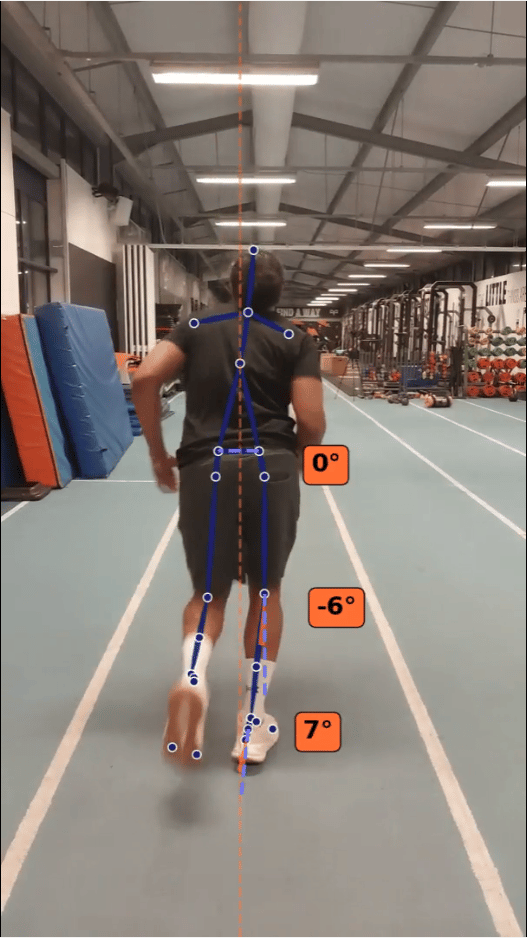
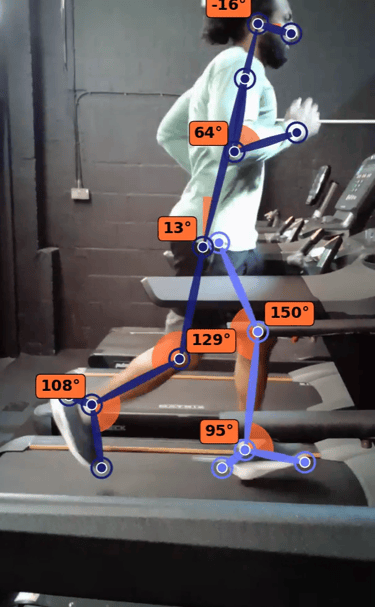
Running analysis at Physora Physio is a technology-assisted assessment designed to identify the movement
and loading factors contributing to running-related pain, recurring injuries, or reduced performance. We combine
clinical physiotherapy assessment with video-supported gait analysis to evaluate your running mechanics and
guide a structured rehabilitation plan — helping you return to running with confidence and reduced risk of
recurrence.
What is Running Analysis?
Running analysis (also known as gait analysis) is an assessment of how your body moves and loads while running.
It helps identify:
movement patterns that may contribute to overload
control deficits at the hip, knee, ankle, or foot
stride and landing mechanics
asymmetries between left and right
technique factors that may increase injury risk
The goal is not to “change your running style completely” — it is to identify what matters most for your injury, your goals, and your rehab stage.
Who is Running Analysis For
Running analysis is ideal if you:
have recurring running injuries
experience pain when increasing mileage
have knee, shin, ankle, foot, hip, or low back pain during running
have returned to running after injury but feel unstable or limited
are training for an event and want to reduce injury risk
want a clearer plan rather than rest-and-hope recovery
Common Running Injuries We See
Running analysis is commonly used for:
knee pain (including patellofemoral pain)
shin pain and overload injuries
ankle and foot pain
Achilles and calf problems
hip pain and gluteal overload
low back pain related to running
recurring strains and overload flare-ups
What We Assess During Technology-Assisted Running Analysis
Where appropriate, we use video-supported gait assessment to analyse key running mechanics such as:
Running Mechanics
We assess key movement patterns such as:
hip and pelvic control
knee alignment and stability
foot loading and ankle control
trunk position and coordination
cadence and stride characteristics
Strength and Control
We assess strength deficits and control issues that commonly drive running injuries.
Mobility and Range of Motion
We assess restrictions that may affect running efficiency and loading.
Load Tolerance
We consider your current training volume, recovery, footwear history, and progression — so the rehab plan is realistic and safe.
What You Get From Running Analysis
After your running analysis, you will receive:
a clear explanation of what is contributing to your pain or recurring injury
practical recommendations based on your goals and stage of rehab
a structured rehabilitation plan with progression milestones
strength and control exercises relevant to running
guidance on training load and safe return to mileage
Why Running Analysis at Physora is Different
Many running assessments focus only on what your feet are doing.
At Physora Physio, running analysis is linked to a full rehabilitation plan that includes:
strength progression
movement control training
load management guidance
return-to-running structure
objective progression markers
This approach reduces recurrence and supports long-term resilience.
Frequently Asked Questions
Do I need to be a serious runner?
No. Running analysis is suitable for all levels — from beginners to experienced runners — especially if you are experiencing pain or recurring injuries.
Will you change my running style?
Not necessarily. We focus on the most relevant changes for your injury and goals, and only when it improves outcomes.
Can running analysis help prevent injuries?
Yes. It can identify key weaknesses and movement factors that contribute to overload, helping guide strength and training progression.


Copyright © 2025 Physora Physio
Useful links
PHYSORA PHYSIO
Expert Physiotherapy.
Complete Recovery
Get in Touch
Treatments
Plan Your Visit
About Us
Insights