
Why Prehabilitation Could Be the Difference Between a Strong Comeback and a Setback After an ACL Tear
What you do before surgery may matter just as much as what happens after.
Paul Antony
1/30/20263 min read
The Moment Everything Changes
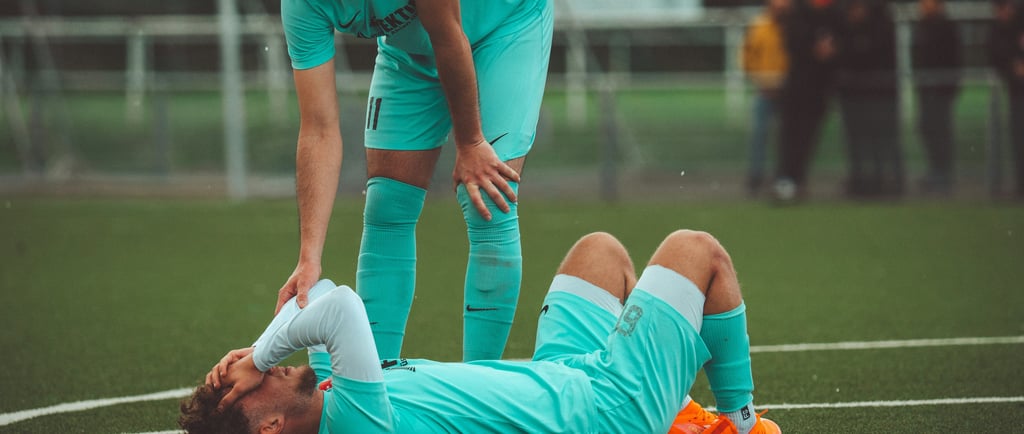
One awkward landing. A sudden twist. A pop you can’t ignore.
An ACL tear doesn’t just injure your knee—it disrupts your sport, your routine, and often your confidence. For many active people, the instinct is to rush straight toward surgery and “deal with rehab later.”
But here’s the truth most people aren’t told:
The work you do before ACL surgery—called prehabilitation—can significantly influence how well, how fast, and how confidently you recover.
At Physora Physio, we see it time and time again in Neath: patients who prepare their body before surgery consistently recover stronger, faster, and with fewer complications.
What Is Prehabilitation (Prehab) for an ACL Tear?
Prehabilitation is targeted physiotherapy performed between ACL injury and surgery. Its purpose is simple but powerful:
Optimise your knee, muscles, and movement patterns before surgery so your body is primed for recovery.
Rather than waiting passively, prehab is an active investment in your outcome.
Why Prehab Matters More Than You Think
1. Surgery Is a Controlled Trauma
ACL reconstruction is highly effective—but it temporarily weakens muscles, stiffens joints, and disrupts neuromuscular control.
If you go into surgery with:
Poor range of motion
Significant swelling
Weak quadriceps and glutes
You start rehab already behind.
Prehab helps you enter surgery in the best possible condition—like training before a marathon instead of after.
2. Stronger Muscles = Better Outcomes
Research in sports medicine shows that better pre-operative quadriceps strength is linked to:
Faster post-op strength gains
Improved knee function
Higher return-to-sport success rates
Prehab focuses heavily on:
Quadriceps activation
Hamstring balance
Hip and core strength
Controlled knee mechanics
These aren’t just exercises—they’re the foundations of long-term knee resilience.
3. Swelling and Stiffness Are Recovery Killers
Persistent swelling before surgery often leads to:
Delayed muscle activation
Reduced range of motion post-op
Slower rehab milestones
Prehabilitation prioritises:
Swelling control
Full knee extension
Functional flexion
These early wins pay dividends later.
A Real-Life Scenario (Fictional Example)
This patient story is a fictional example created for educational purposes, based on common physiotherapy scenarios.
Alex, a recreational footballer, tore his ACL and planned surgery in eight weeks. Initially, he avoided movement, fearing further damage.
After starting prehab:
Swelling reduced significantly
Full knee extension was restored
Strength improved by over 25%
Post-surgery, Alex progressed through rehab milestones weeks ahead of average timelines—not because surgery was different, but because preparation was.
What Does ACL Prehabilitation Actually Include?
At Physora Physio, prehab programs are individualised, but commonly include:
Strength Training
Quadriceps, hamstrings, and glutes
Progressive loading based on pain and control
Range of Motion Restoration
Achieving full extension
Functional flexion for daily tasks
Neuromuscular Control
Balance and proprioception
Movement retraining to protect the knee
Education & Confidence Building
Understanding the rehab journey
Reducing fear and uncertainty
This isn’t a generic exercise, it’s precision physiotherapy grounded in biomechanics and sports science.
Can You Skip Prehab?
You can, but most people who do wish they hadn’t.
Skipping prehab often leads to:
Slower early rehab progress
Increased frustration
Delayed return to sport or activity
Prehab doesn’t replace surgery—it maximises its success.
Why Choose Physora Physio in Neath?
We don’t believe in rushed rehab or cookie-cutter programs.
At Physora Physio, you get:
Sports-focused ACL expertise
Evidence-based treatment plans
Clear progression milestones
Honest guidance at every stage
Our goal isn’t just recovery—it’s confidence, performance, and long-term knee health.
👉 Book your physiotherapy appointment here:
https://physoraphysio.com/physio-appointment-booking
Frequently Asked Questions
Do I need prehab if my surgery is soon?
Yes. Even 2–3 weeks of targeted prehab can improve swelling, strength, and post-op outcomes.
Is prehabilitation painful?
It should be challenging—but safe and controlled. Pain is monitored carefully and used as a guide, not ignored.
Can prehab help if I’m unsure about surgery?
Absolutely. Many patients benefit from prehab regardless of surgical decisions.
How many prehab sessions do I need?
This varies, but most benefit from 1–2 sessions per week with guided home exercises.
Does prehab reduce re-injury risk?
Yes. Better movement quality and strength reduce compensations that often lead to re-injury.
Ready to Give Your Knee the Best Possible Start?
Your recovery doesn’t begin after surgery it begins now.
👉 Book an appointment with Physora Physio today:
https://physoraphysio.com/physio-appointment-booking


Copyright © 2025 Physora Physio
Useful links
PHYSORA PHYSIO
Expert Physiotherapy.
Elite Performance
Get in Touch
Treatments
Plan Your Visit
About Us
Insights