Hands-On Treatment (Manual Therapy) in Neath
Hands-on treatment at Physora Physio is used strategically to reduce pain, restore movement, and support your rehabilitation plan.
Manual therapy is not used as a stand-alone approach. Where appropriate, it is combined with movement-based rehabilitation, progressive strengthening, and structured progression — so you get long-term results rather than short-term relief.
What is Hands-On Treatment?
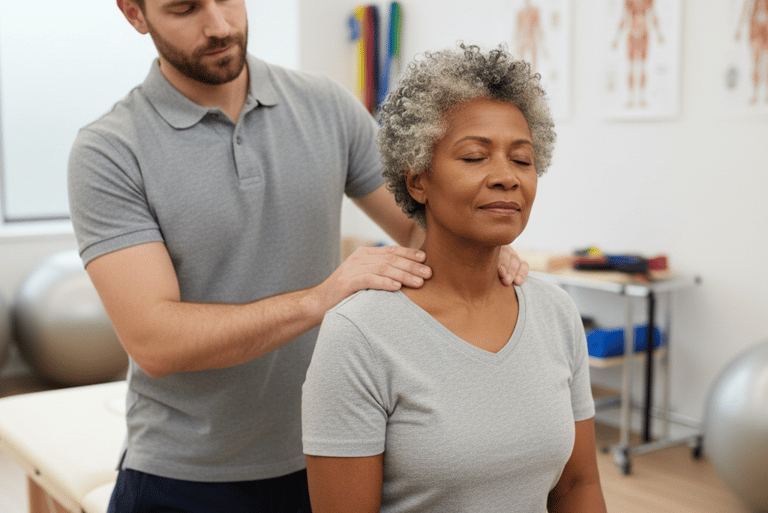
Hands-on treatment (manual therapy) is a physiotherapy technique where the therapist uses skilled hands-on methods to help improve mobility, reduce discomfort, and restore movement.
This may include:
joint mobilisation techniques
soft tissue therapy
hands-on movement facilitation
mobility-based treatment to improve range of motion
The goal is to help you move better and progress more confidently through your rehabilitation.
When We Use Manual Therapy
Hands-on treatment is most useful when:
pain is limiting your movement
stiffness is restricting your range of motion
you need support to regain mobility after injury or surgery
your body needs short-term symptom reduction to allow rehab to progress
movement feels blocked or guarded
Manual therapy is often used early in rehabilitation — then reduced as strength and movement capacity improve.
What Makes Physora Different
Many clinics rely heavily on hands-on treatment alone.
At Physora Physio, manual therapy is used as part of a structured plan that includes:
movement and posture assessment
progressive strengthening
return-to-activity planning
education and self-management
This reduces the risk of short-term dependency and improves long-term outcomes.
Conditions Where Hands-On Treatment Can Help
Manual therapy may be helpful for:
neck pain and upper back stiffness
shoulder pain and reduced mobility
low back pain and flare-ups
hip pain and stiffness
knee pain and movement restriction
ankle and foot stiffness
post-operative movement limitations
What You Can Expect
During your appointment, hands-on treatment may be used to:
reduce pain and muscle tension
improve joint mobility
restore movement confidence
support exercise-based rehabilitation
You will also be given exercises and a clear progression plan to continue improving between sessions.
Frequently Asked Questions
Is hands-on treatment the same as massage?
Not exactly. Manual therapy is clinical and goal-based. It is used to improve movement, reduce pain, and support rehabilitation progression.
Do you always use hands-on treatment?
No. It is used when clinically appropriate. Some conditions improve best with movement-based rehab and progressive strengthening alone.
Will manual therapy fix the problem permanently?
Manual therapy can reduce symptoms and improve mobility, but long-term results come from restoring strength, control, and load tolerance through rehabilitation.
Looking for the right recovery plan? Discover our treatment pathways below.
Explore our proven rehabilitation options below.
Specialist Tools We Use Within Your Rehab Plan
Movement & Posture Assessment(Technology - Assisted)


Copyright © 2025 Physora Physio
Useful links
PHYSORA PHYSIO
Expert Physiotherapy.
Elite Performance
Get in Touch
Treatments
Plan Your Visit
About Us
Insights