
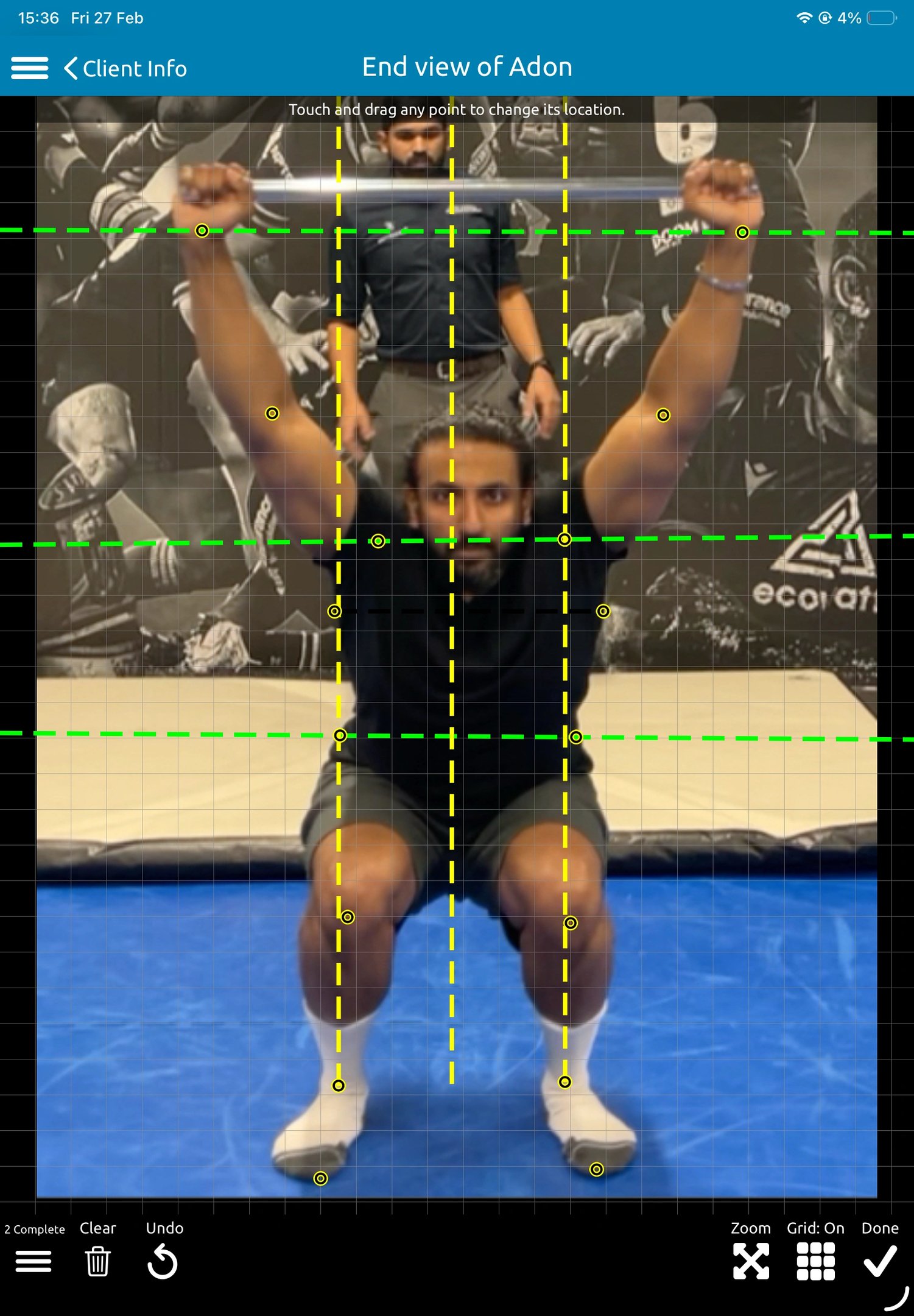
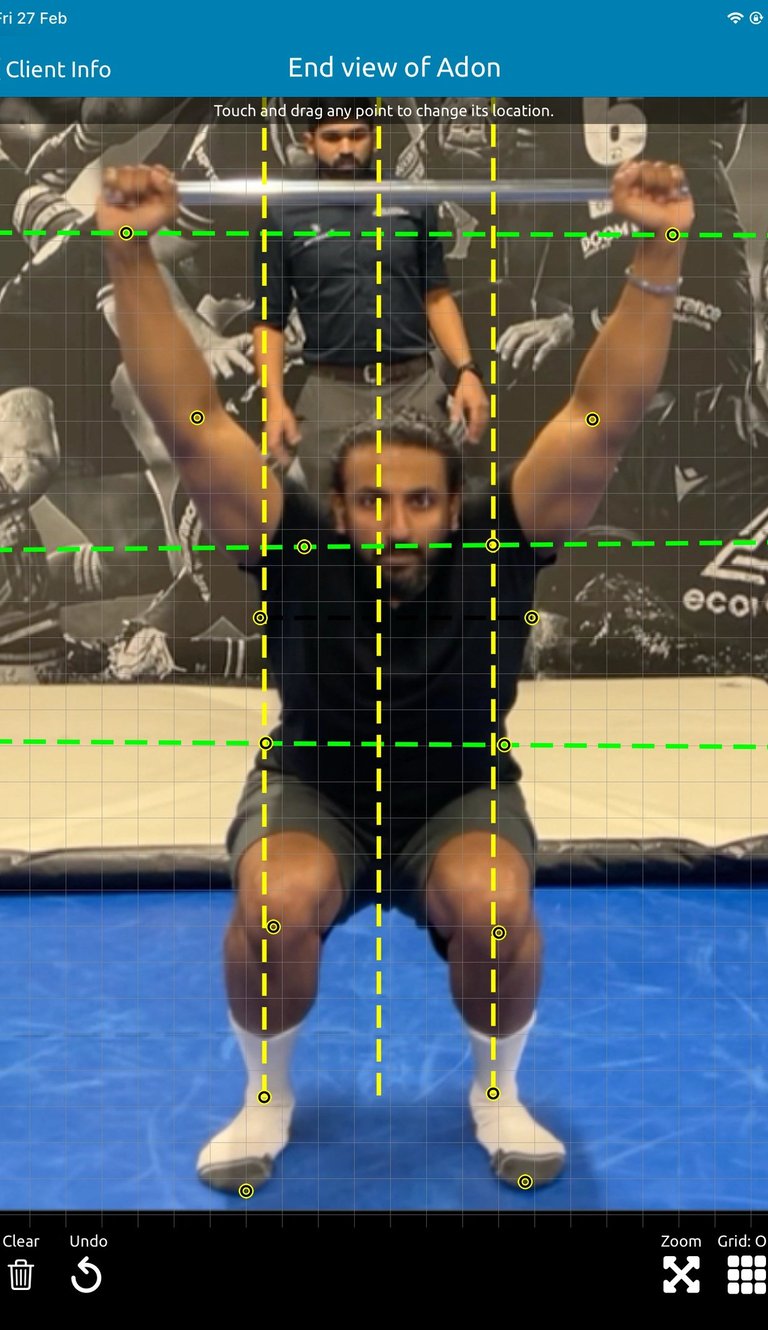
At Physora Physio, we use technology-assisted movement and posture assessment to identify the true drivers behind pain, recurring injuries, and movement limitations.
This allows us to assess posture, squat mechanics, single-leg control, and joint mobility with greater accuracy — helping us create a clearer rehabilitation plan and track progress objectively over time.
What is a Technology-Assisted Movement & Posture Assessment?
A movement and posture assessment is a structured evaluation of how your body moves and loads during key movement patterns.
Rather than focusing only on symptoms, this approach helps identify:
movement restrictions (mobility limitations)
stability and control deficits
left vs right asymmetries
compensations that may contribute to recurring pain
weaknesses that affect long-term recovery
Why This Matters in Rehabilitation
Many people experience recurring pain not only because of an injury itself, but because of:
poor movement control
reduced strength and stability
repeated overload in one area
asymmetries between left and right
reduced load tolerance over time
A technology-assisted assessment gives us a clearer baseline so your rehabilitation is targeted, structured, and measurable.
Movement Screens We Commonly Use
Depending on your symptoms and goals, your assessment may include a selection of structured movement screens such as:
Posture screen (standing alignment and control)
Squat screen (hip, knee, ankle mechanics and load tolerance)
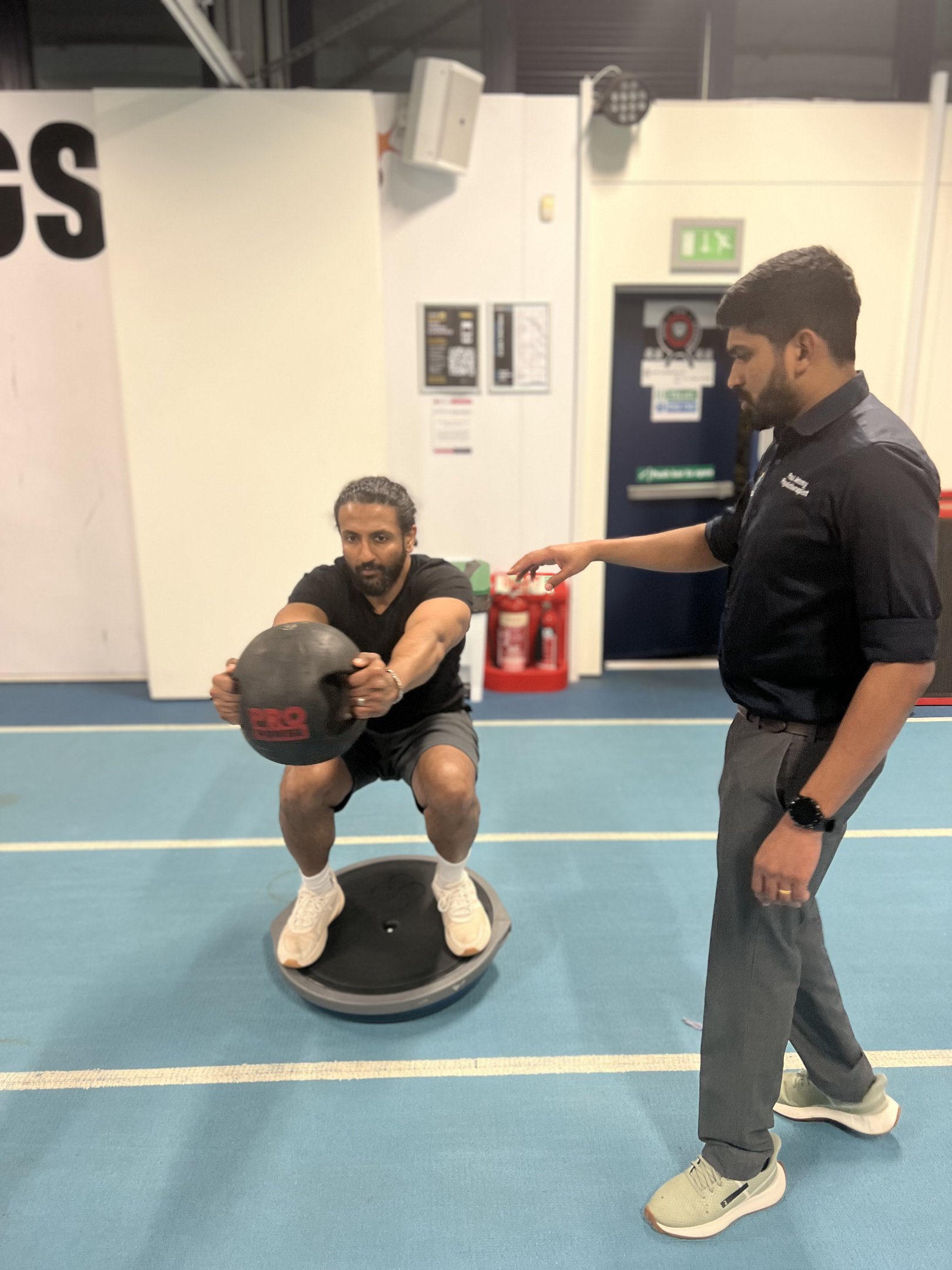
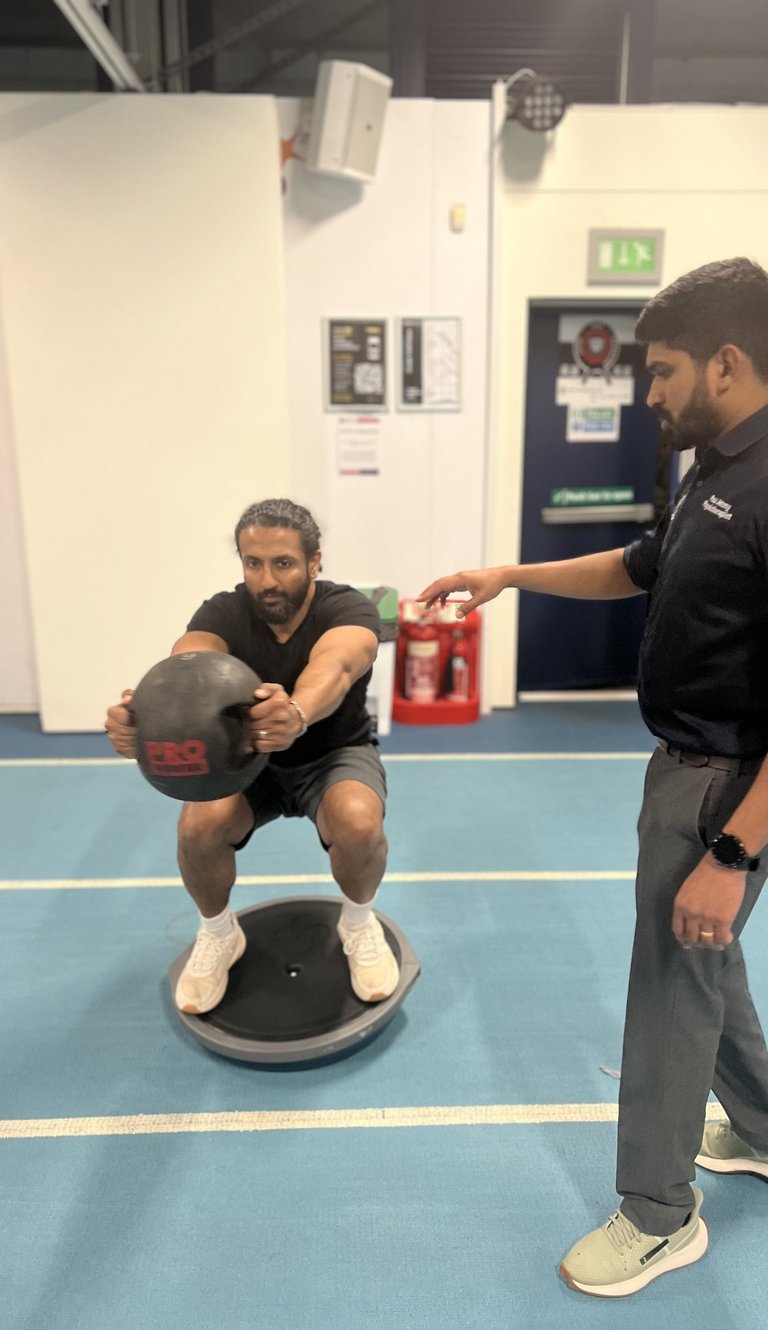
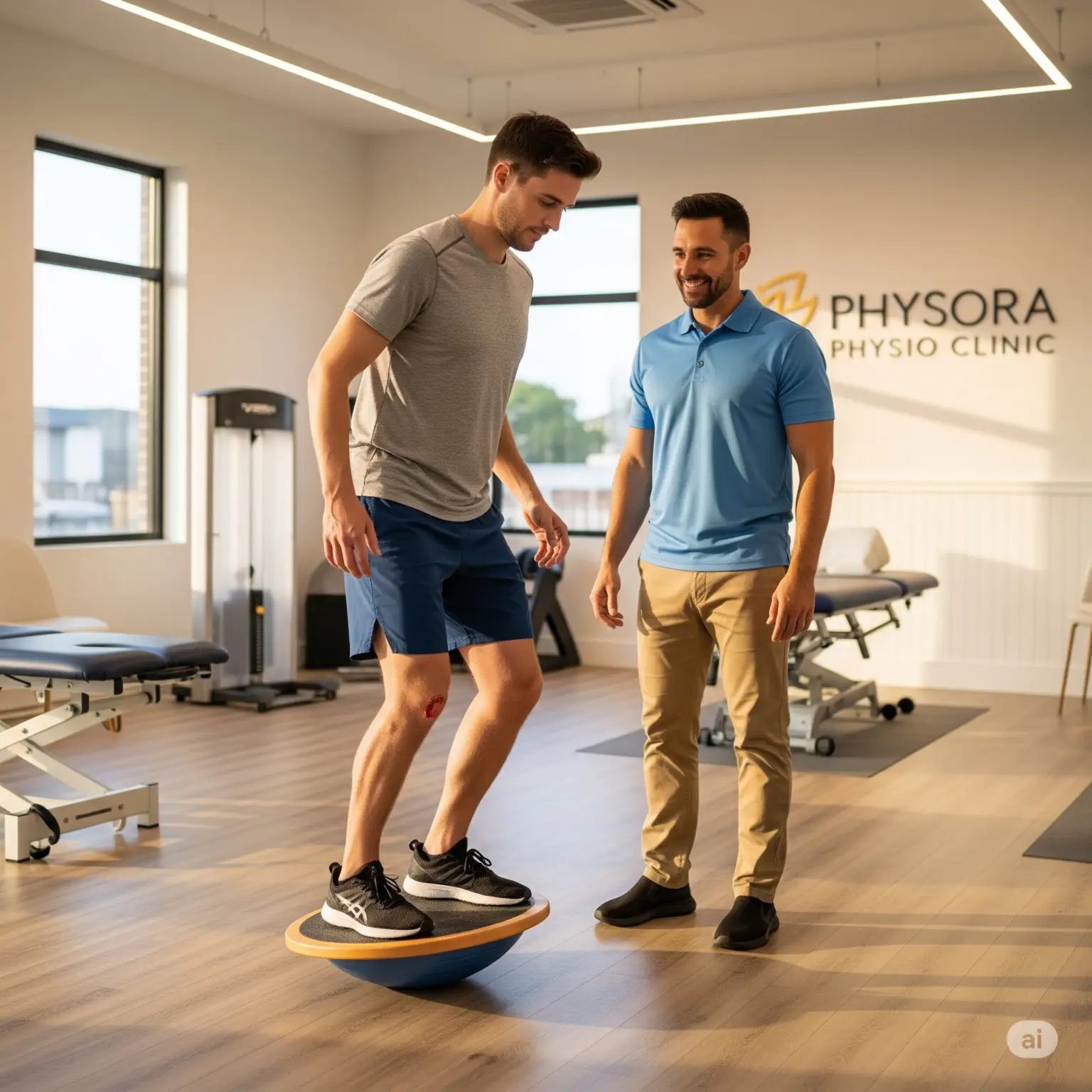
Single-leg squat screen (stability, balance, and limb control)
Sit screen (spinal and hip control in sitting positions)
Lean screen (movement control, trunk stability, and asymmetry)
Push-up screen (upper limb, trunk control, and shoulder stability)
Range of motion (ROM) screen (mobility limitations and joint restrictions)
Not every screen is used for every patient — we select the most relevant tests based on your condition, goals, and stage of rehabilitation.
Who is This Assessment Useful For?
This type of movement assessment is ideal if you:
have recurring back, hip, knee, ankle, or foot pain
experience repeated flare-ups despite previous treatment
are returning to sport after injury
want to improve squat mechanics and movement confidence
are recovering after surgery and want structured progression
have work-related or posture-related pain
want objective progress tracking through rehabilitation
Movement & Posture Assessment in Neath
(Technology-Assisted)
What We Assess
Depending on your injury and goals, your assessment may include:
Posture and Alignment
We assess posture and alignment factors that may contribute to recurring pain, stiffness, or overload.
Squat and Lower-Limb Mechanics
We assess squat and single-leg control patterns to identify movement faults, compensations, and stability deficits.
Mobility and Range of Motion
We assess joint mobility and range of motion restrictions that may be limiting progress or contributing to pain.
Movement Control and Stability
We assess trunk stability, balance, and coordination — which are essential for both injury recovery and long-term resilience.
Re-Assessment Over Time
Progress is not guessed. Key movement patterns can be re-checked to confirm improvement and guide progression.
How This Fits Into Your Physiotherapy Plan
Technology-assisted screening is not used as a “standalone test”.
At Physora Physio, it supports:
accurate diagnosis
rehab exercise selection
strength progression decisions
return-to-activity planning
measurable progress tracking
This is one of the key ways we keep rehabilitation structured and premium.
What You Get From This Assessment
After your assessment, you will receive:
a clear explanation of your movement findings
identification of key restrictions and weaknesses
a structured rehabilitation plan matched to your goals
targeted exercises based on your movement priorities
a progression strategy with milestones
measurable re-check points to track improvement

Frequently Asked Questions
Is this the same as a standard physiotherapy assessment?
A physiotherapy assessment includes diagnosis and clinical reasoning. Movement and posture screening adds objective insight into how you move, load, and compensate — helping guide rehabilitation more precisely.
Do I need this assessment?
Not always. Some patients only need a standard assessment. We use technology-assisted screening when it adds value, particularly for recurring pain, sports injuries, and return-to-activity rehabilitation.
Will this fix my pain on its own?
The assessment identifies the key movement priorities. The results are then used to build a structured rehab plan that restores strength, control, and long-term function.
Looking for the right recovery plan? Discover our treatment pathways below.
Explore our proven rehabilitation options below.
Specialist Tools We Use Within Your Rehab Plan


Copyright © 2025 Physora Physio
Useful links
PHYSORA PHYSIO
Expert Physiotherapy.
Elite Performance
Get in Touch
Treatments
Plan Your Visit
About Us
Insights